
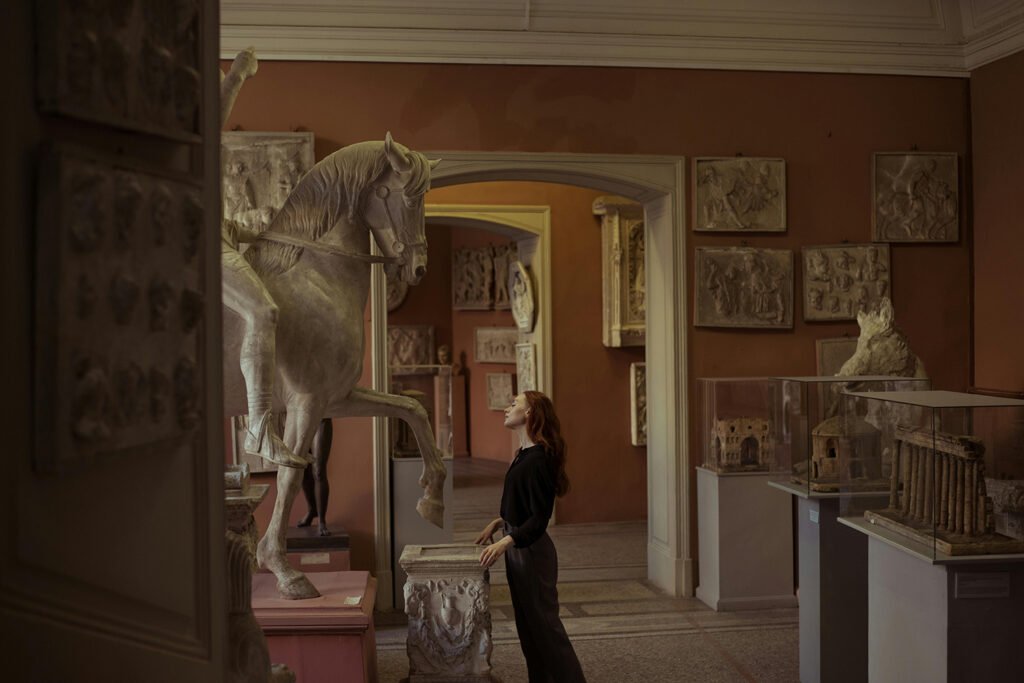
We’ve all met one. They’re the person who can’t enjoy a cup of coffee if the ceramic mug is “too aggressive,” or the friend who spends forty minutes adjusting the lighting in a room before anyone is allowed to sit down. To the uninitiated, this might look like fussiness. But to the aesthete, it’s a matter of spiritual survival.
The word “aesthete” often carries a whiff of incense and Victorian drama, but its modern application is more relevant than ever in our visually saturated world.
Defining the Devotee
At its most basic, an aesthete is a person who has a special appreciation for art and beauty. The term is derived from the Greek aisthētēs, meaning “one who perceives.”
However, being an aesthete is more than just “liking pretty things.” It is a philosophy that prioritizes aesthetic values—beauty, form, and sensory harmony—above practical or moral considerations.

The Aesthete’s Checklist
What separates a casual fan from a true devotee?
- Sensory Sensitivity: A heightened awareness of textures, sounds, and visual balance.
- The “Art for Art’s Sake” Mindset: The belief that beauty doesn’t need a “point” or a “message” to be valuable; its existence is enough.
- Curated Living: An effort to turn one’s entire environment—from the socks they wear to the books on their shelf—into a cohesive gallery.

A Brief History of Beauty
The concept reached its peak in the late 19th century with the Aesthetic Movement. Figures like Oscar Wilde and Walter Pater suggested that we should “burn always with this hard, gemlike flame” of curiosity and appreciation for the beautiful.
“Art never expresses anything but itself.” — Oscar Wilde, The Decay of Lying
During this era, being an aesthete was a rebellion against the grime of the Industrial Revolution. If the world was going to be filled with smoke and gears, the aesthete would retreat into velvet, sunflowers, and blue-and-white porcelain.
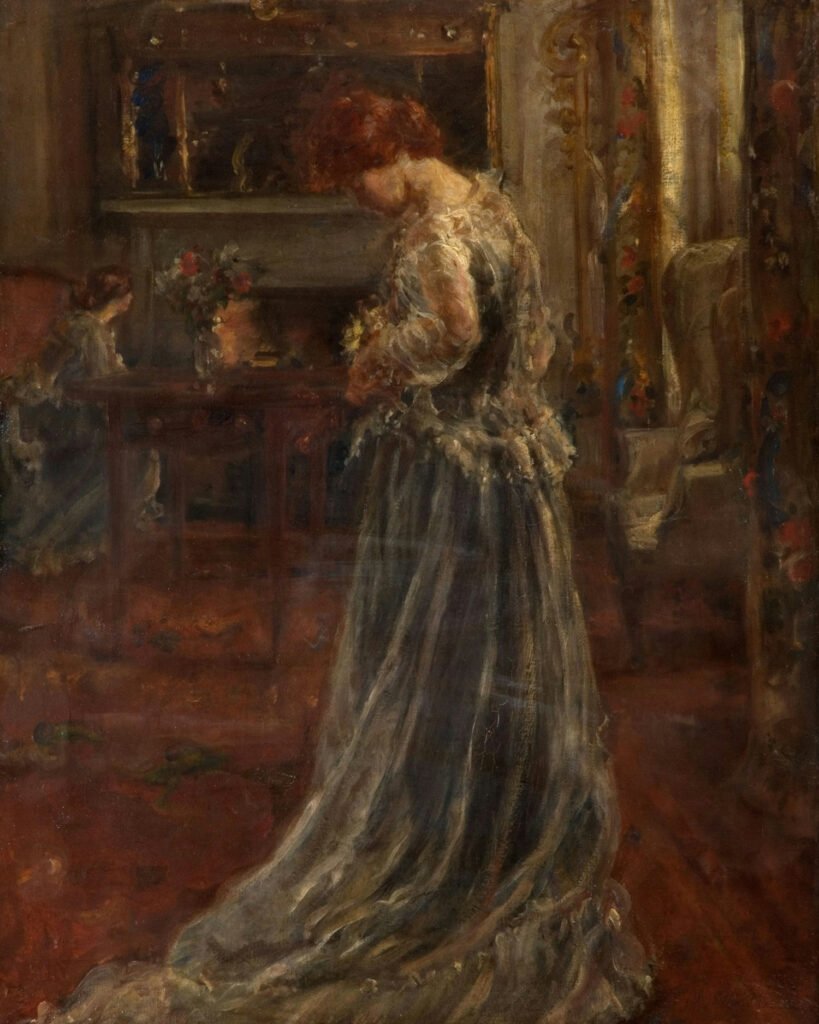
Modern Examples: From High Art to “The Feed”
Today, the aesthete has traded the velvet cape for a minimalist aesthetic or a maximalist “cluttercore” apartment. You see them in:
- Cinema: Directors like Wes Anderson are the ultimate cinematic aesthetes. Every frame is a symmetrical, color-coded masterpiece where the “vibe” is as important as the plot.
- Architecture: The minimalist movement, led by figures like John Pawson, treats the play of light on a bare concrete wall as a high-art experience.
- Digital Spaces: The rise of “Curation Culture” on platforms like Pinterest and Instagram is essentially a mass-market version of aestheticism.

Is it Pretentious or Essential?
The common critique of the aesthete is that they are “shallow” or “out of touch.” Critics argue that by focusing only on the surface, they ignore the substance.
However, proponents argue that in a world that is often chaotic and ugly, the pursuit of beauty is a form of mindfulness. To be an aesthete is to pay attention. It is the refusal to sleepwalk through life, insisting instead that every meal, every room, and every moment should be handled with care.

Sources for the Curious
- The Picture of Dorian Gray by Oscar Wilde (The classic fictional exploration of aestheticism).
- The Renaissance by Walter Pater (The “bible” of the 19th-century movement).
- The Architecture of Happiness by Alain de Botton (A modern look at how our surroundings affect our souls).
Whether you find them inspiring or slightly exhausting, the aesthete reminds us of a vital truth: beauty isn’t just a luxury; for the human spirit, it’s a necessity.