Physical Address
304 North Cardinal St.
Dorchester Center, MA 02124
Physical Address
304 North Cardinal St.
Dorchester Center, MA 02124

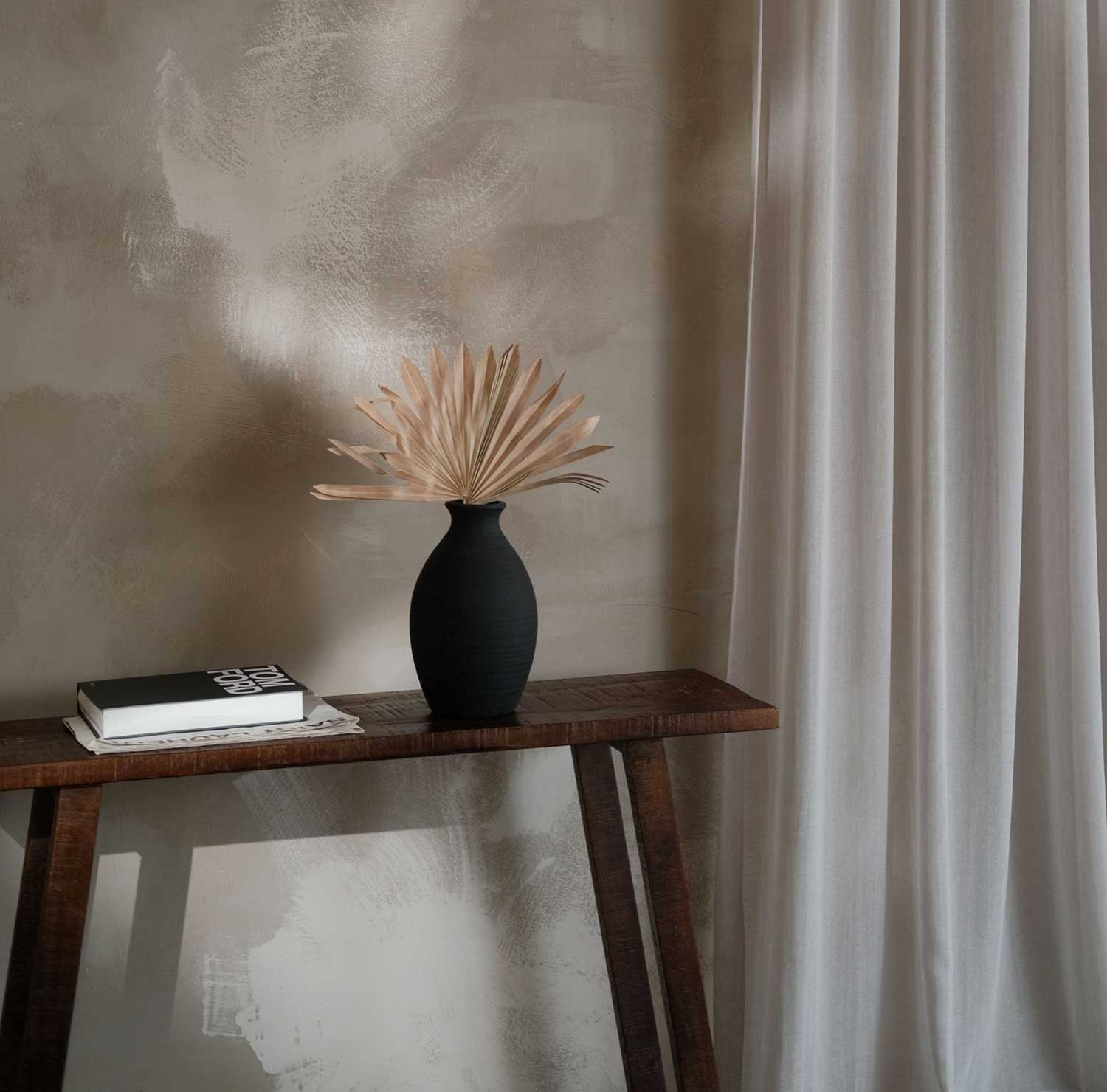
The spaces we build are reflections of our inner landscapes. When choosing how to curate our homes, we are not just shopping for furniture; we are defining our daily rhythm.
Two distinct interior philosophies currently dominate the global design conversation: the lively, sculptural energy of Mid-Century Modern and the serene, whisper-quiet simplicity of Japandi. While both movements share a deep reverence for functionalism and natural materials, they cultivate entirely different emotional atmospheres.
Here is an analytical breakdown of these two iconic design systems to help you discover which philosophy aligns with your personal way of living.
Japandi: A masterclass in earthy, quiet minimalism.. Source: tulcarion / Getty Images
Emerging from the post-war boom of the mid-twentieth century, Mid-Century Modern (MCM) is a celebration of hope, technological progress, and organic form. It is a style that looks forward, characterized by daring geometric shapes and a seamless integration of indoor and outdoor living.
Japandi is the harmonious hybrid of two design cultures separated by oceans but united by philosophy: Japanese wabi-sabi (the appreciation of impermanence and natural beauty) and Danish hygge (cozy comfort and warmth).
Unlike the structured optimism of MCM, Japandi is a slow, meditative retreat from the noise of the outside world.
While both styles reject unnecessary clutter, they execute their minimalism through entirely different design details:
| Aesthetic Dimension | Mid-Century Modern | Japandi |
| Primary Vibe | Cultured, nostalgic, and energetic. | Meditative, serene, and grounded. |
| Furniture Profiles | Elevated on legs, floating off the ground. | Low-slung, grounded, often close to the floor. |
| Material Textures | Smooth polished wood, molded plastic, brass, leather. | Textured plaster, boucle, raw stone, rough-hewn oak, paper. |
| Key Iconography | The Eames Lounge, Saarinen Tulip Table. | Paper lanterns (Isamu Noguchi), low wooden platform beds. |
| Flora & Greens | Bold, architectural plants (Monstera, Fiddle-Leaf Fig). | Delicate, minimalist branches (eucalyptus, cherry blossom, dried grasses). |
To choose between these two worlds, look at how you naturally inhabit your home.
You love the process of hunting for vintage pieces with a story, value architectural statements, and want your home to feel socially engaging and intellectually stimulating. MCM is perfect for spaces with large glass windows, open-plan layouts, and hosts who love to entertain.
You view your home strictly as a decompression chamber. If you are highly sensitive to visual noise and crave an environment of absolute quiet, raw textures, and soft lighting, Japandi is your sanctuary. It works exceptionally well in bedrooms and quiet reading corners.
The Editorial Compromise: You do not have to pick a side. Many contemporary designers blend the two—anchoring a room with a low-slung, neutral Japandi sofa, while punctuation it with a classic, warm walnut Mid-Century modern credenza.