Physical Address
304 North Cardinal St.
Dorchester Center, MA 02124
Physical Address
304 North Cardinal St.
Dorchester Center, MA 02124


In a culture that measures personal worth by the metrics of velocity, optimization, and relentless productivity, slowing down has become a quiet act of rebellion. We are constantly urged to accelerate—to convert our morning routines into hyper-efficient bio-hacks and our homes into mere launchpads for the next achievement.
But the modern aesthete understands that true luxury is not about speed; it is about presence.
The art of slow living is not a pastoral fantasy reserved for remote country cottages. It is an intentional, intellectual discipline that can be practiced anywhere. It is the conscious decision to uncouple from the collective rush, to romanticize the mundane, and to treat the daily minutes of our lives not as tasks to be crossed off, but as raw material to be beautifully styled.
The difference between a routine and a ritual lies entirely in the quality of your attention. A routine is a series of mechanical actions executed to achieve an external result—brushing your teeth, checking your inbox, downing a caffeine shot.
A ritual, however, is an action infused with mindfulness and aesthetic appreciation. It transforms a functional necessity into an internal sanctuary.
When you transition from a routine to a ritual, you stop treating time as an enemy to outrun. You begin to curating the sensory details of your environment—the sound of hot water hitting ceramic, the weight of a stone mug in your palms, the specific texture of raw linen sheets in the morning light.
To integrate a slow-living philosophy into a fast-paced life, you do not need to overhaul your career or move off the grid. You simply need to establish a few non-negotiable points of stillness throughout your day:
Integrating these moments of presence is easier when structured around simple, sensory focuses:
| Time of Day | The Physical Anchor | The Sensory Focus | The Emotional Intent |
| The Dawn | Pour-over coffee or loose-leaf tea in a hand-thrown ceramic cup. | The rising aroma, the slow swirl of steam, the quiet house. | To ground your consciousness before the world demands your attention. |
| The Afternoon | A solo walk around the block, leaving the smartphone behind. | The rhythm of walking, the temperature of the air, the architectural details. | To break the spell of digital fatigue and restore creative perspective. |
| The Twilight | Setting a beautifully simple dinner table with real cloth linens and tapered candles. | The low, flickering candlelight, the tactile weight of the silverware. | To transform the act of nourishment into an intentional celebration. |
Our physical spaces dictate our internal pace. If a home is chaotic, visually cluttered, and dominated by plastic and flashing electronics, the mind will naturally remain in a hyper-vigilant state. To cultivate slow living, your home must function as a decompression chamber.
Surround yourself with objects that tell a human story or carry geological weight. A mass-produced plastic tray does nothing for the soul; a solid walnut cutting board that bears the marks of your daily meal preparation invites a sense of lineage and care. Seek out materials that patina beautifully over time—unlacquered brass, raw linen, honed marble, and vegetable-tanned leather.
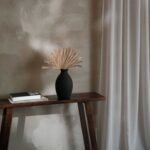
Designate a space in your home that has absolutely no utilitarian purpose. It is not for working, it is not for watching television, and it is not for scrolling. It can be a singular, incredibly comfortable armchair positioned next to a window with a small side table for a book, or a floor cushion near a stereo system. This is your dedicated space for daydreaming, listening, and simply existing.
“There is more to life than increasing its speed.” — Mahatma Gandhi
In the end, romanticizing your life is not a shallow exercise in vanity. It is a profound survival mechanism for the modern age. By choosing to move through the world with a deliberate, appreciative gaze, you reclaim ownership of your time, your attention, and your peace.