Physical Address
304 North Cardinal St.
Dorchester Center, MA 02124
Physical Address
304 North Cardinal St.
Dorchester Center, MA 02124

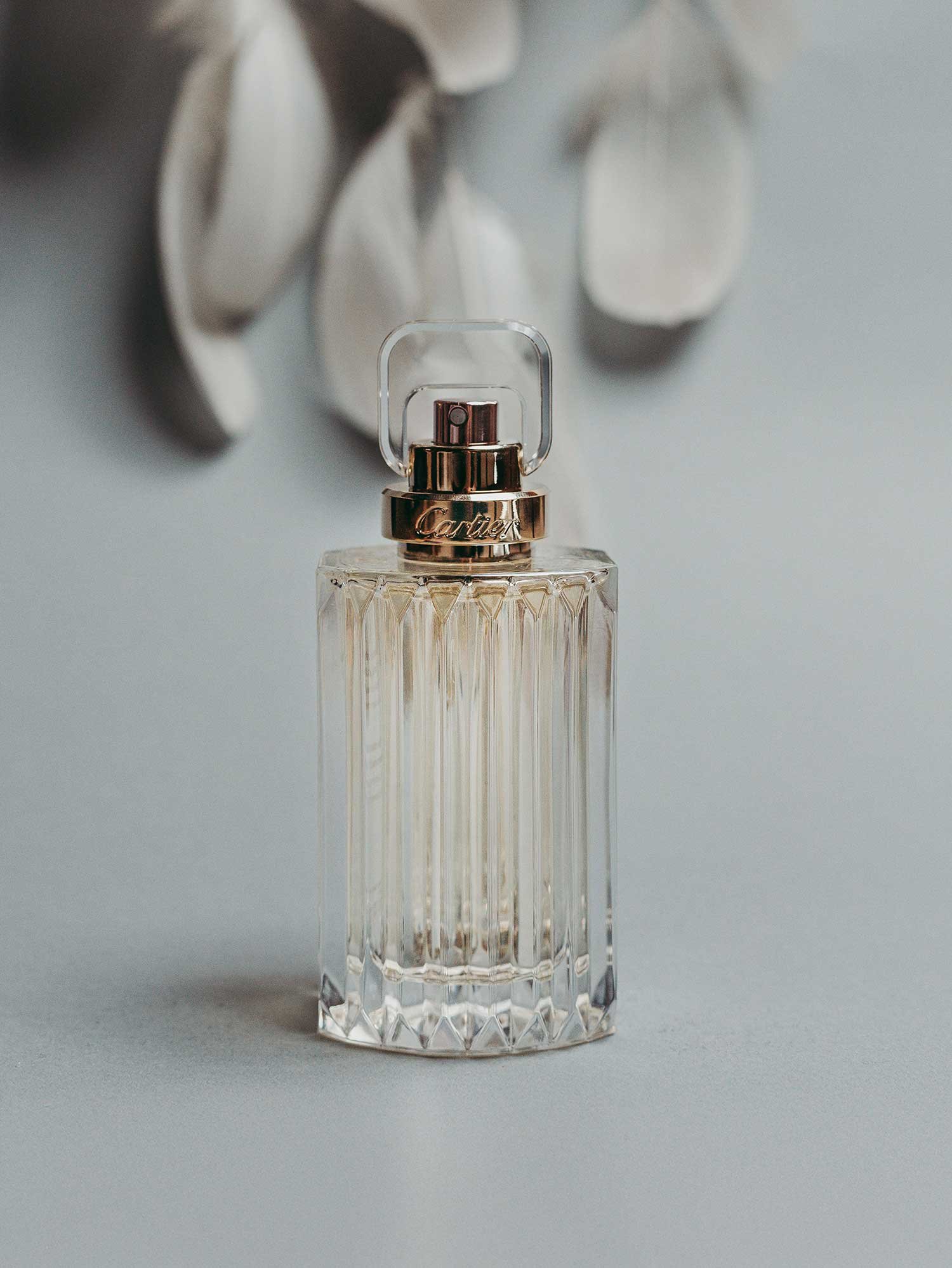
Scent is the most fiercely stubborn form of memory. Long after a silhouette has faded from view or a conversation has drifted into obscurity, a lingering olfactory note can instantly summon a specific time, a precise room, an exact mood. It is a silent, invisible calling card—the ultimate expression of personal curation.
Yet, finding a signature scent has become a daunting task. The department store counters are overcrowded with hyper-commercialized, synthetic fragrances designed to appeal to everyone and, consequently, resonate deeply with no one.
To find your true aesthetic fragrance, you must treat scent as an olfactory wardrobe. It requires understanding the raw architecture of notes, recognizing your skin’s unique chemistry, and looking to niche houses that prioritize storytelling over mass market appeal.
A beautifully crafted perfume is never static; it is a narrative that unfolds across hours. This evolution is structured around a traditional three-tiered pyramid. Understanding how these layers dissipate on your skin prevents the common mistake of buying a bottle based purely on the first impression at a counter.
Before embarking on a search, define the specific atmospheric vibe you want your presence to project. Most artisanal perfumery can be cataloged into four distinct, evocative families:
| The Family | The Atmospheric Vibe | The Iconic Raw Ingredients |
| The Woods | Intellectual, grounded, and quietly powerful. Reminiscent of old libraries and sharp autumn air. | Santal, cedarwood, rich vetiver, patchouli. |
| The Ambers (Orientals) | Opulent, intimate, and warm. Perfect for late evenings, candlelight, and velvet tailoring. | Vanilla bean, resinous labdanum, frankincense, amber spice. |
| The Fresh & Greens | Crisp, architectural, and effortlessly polished. Captures the spirit of crisp white poplin and morning dew. | Galbanum, fig leaf, bright bergamot, sea salt. |
| The Florals (Reinvented) | Modern, poetic, and nuanced. Bypasses sugar-sweet notes in favor of realistic, unpolished botanicals. | Damask rose, night-blooming jasmine, powdery iris. |
Scent curation is a slow process that cannot be rushed in a single afternoon. To find a scent that genuinely feels like a second skin, follow a disciplined testing methodology.
Testing a perfume on a white card gives you an clinical view of the formula, but it completely leaves out the most crucial ingredient: you. Perfume interacts with your specific skin temperature, hormones, and natural oil balance. A scent that smells sharp and metallic on a card might transform into something warm, creamy, and irresistible on your wrist.
Never test more than two fragrances at a time. Apply one to your left wrist and one to your right. Any more will overload your olfactory receptors, causing “scent fatigue” and distorting your judgment.
Once applied, walk away. Leave the boutique. Go have a coffee, read a book, or take a walk. Allow the fragrance to transition completely through its top and heart notes over the course of three to four hours. Pay attention to how you feel when only the base notes remain. Is it still comforting? Does it still match your personal aesthetic?
If you want a signature scent that doesn’t smell like everyone else in the room, bypass the mainstream fashion brands and invest in houses dedicated purely to the art of perfumery.
The Finishing Touch: Apply your fragrance to your pulse points—the inside of the wrists, the base of the throat, and behind the ears—where the body heat naturally radiates, slowly diffusing the scent throughout the day. For a truly subtle trail, mist your hair or the silk lining of your favorite trench coat.